
When a bomb drops, there are few escapes.
On December 7th, 1941, 183 Japanese aircrafts unleashed around 330 bombs on the shores of Oahu, leaving thousands dead and injured, ships sunk, and significant damage to military bases.
In the days before Hawai’i was dragged into World War 2, many were aware of the heavy military activity in Honolulu.
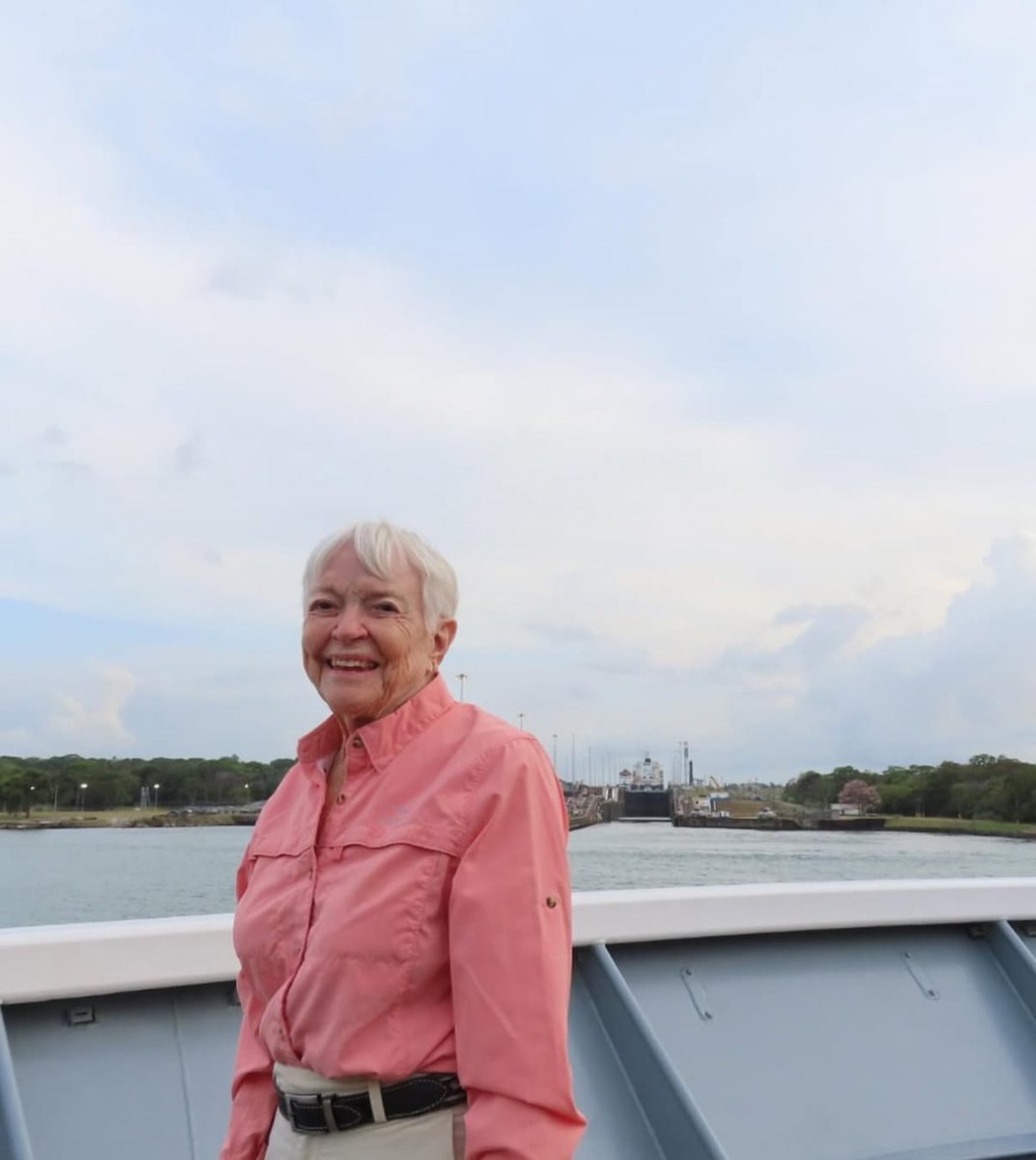
“I can remember looking out from my daycare along the Ala Wai, and I could see soldiers running from tree to tree with rifles in their hands. We were aware of some unrest in the community, but not the world war and what it meant,” says Jean Estelle Kelley ‘54, a child attending Punahou School when the war started. Up until 7:54 am, it had no place in a child’s ears. After that point, that would be all she would hear about.
At 7 am on a seemingly ordinary Sunday, 6-year-old Jean was attending Sunday School in Waikiki. Meanwhile, a couple of blocks away, her parents were hosting their weekly Sunday morning breakfast. This week, the honored guest was a Captain of one of Pearl Harbor’s finest ships. The Captain and his wife, dressed in their best whites, enjoyed Jean’s mother’s treasured waffles, the smell of maple syrup and melted butter drifting throughout the house.
“Oh, how fast he must have sprinted out of there,” sighed Jean while she reminisced over her memories 84 years later.
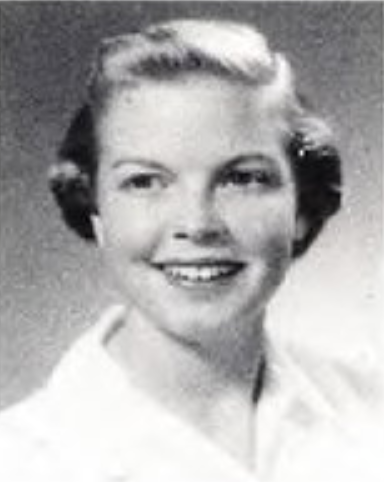
The first thing that little Jeanie heard was a blast, which was quickly followed by chaos. Her father came sprinting towards the courtyard of the Church and grabbed little Jeanie along with her two siblings and threw them into the car. As they raced through the streets of Honolulu, fire rained down around them. A confused Jeanie thought the world might be ending. And for some, it was.
“The definition of war came forth, and it was a scary thing,” remembers Jean.
Jean and her family hunkered down in their house–located on the side of Kalākaua Avenue. From their house, they heard screaming, explosions, and chaos. The sounds of the planes flying overhead and bombs landing too close for comfort echoed through their walls. They stayed huddled together, praying that they might survive the day and unsure of who was attacking, or when they might stop. An hour and 15 minutes later, the bombing ceased. The damage had been done, thousands wounded and dead, yet by some miracle, Jean and her family remained safe.
While Oahu remained on edge, Jean, with her mother and siblings, took the first available flight to the mainland, with the old Boeing 314 Clipper so crowded that Jean spent the entirety of it on the floor. Her father was left behind as all able-bodied men were required to join the military. Meanwhile, Jean left Hawai’i behind and settled in her grandparents’ home state of California.
“We are lucky we had some place to escape to; most didn’t,” noted Jean.
By this point, Punahou had closed its doors to its students and opened them to the U.S. Army Corps of Engineers, moving their classes to privately owned homes in Manoa and the University of Hawai’i at Manoa. Where playgrounds once stood, there were barbed wire and trenches.
Jean returned two years later, and her family was able to get passage on a hospital ship making its way to the war in the Pacific. Yet back in Honolulu, things were different. Rationing was severe, the atmosphere somber, and the people paranoid. Troops roamed the streets with guns strapped to their backs, and Waikiki beach was armored ten feet high with barbed wire.
A large trench lay outside the University’s doors, gas masks hung in every classroom, and bomb drills were run almost daily. “Despite the changes, it just felt like our normal lives. We didn’t know anything else. It was what we grew up with,” Jean explained.
Punahou would not get its campus back until the war ended.
When the war ended, communities worked to rebuild what they had lost. After years of having a fragmented education and life, Jean Estelle Kelley was finally able to graduate from Punahou School in 1954 and go on to study at Cornell University. Jean’s degree in Hotel Management allowed her to follow her parents’ footsteps and continue building the Outrigger Hotel chain. She, along with her siblings, lived a fulfilled life, and although her family has long passed, Jean can still recall her gratitude for her family during the war times.