
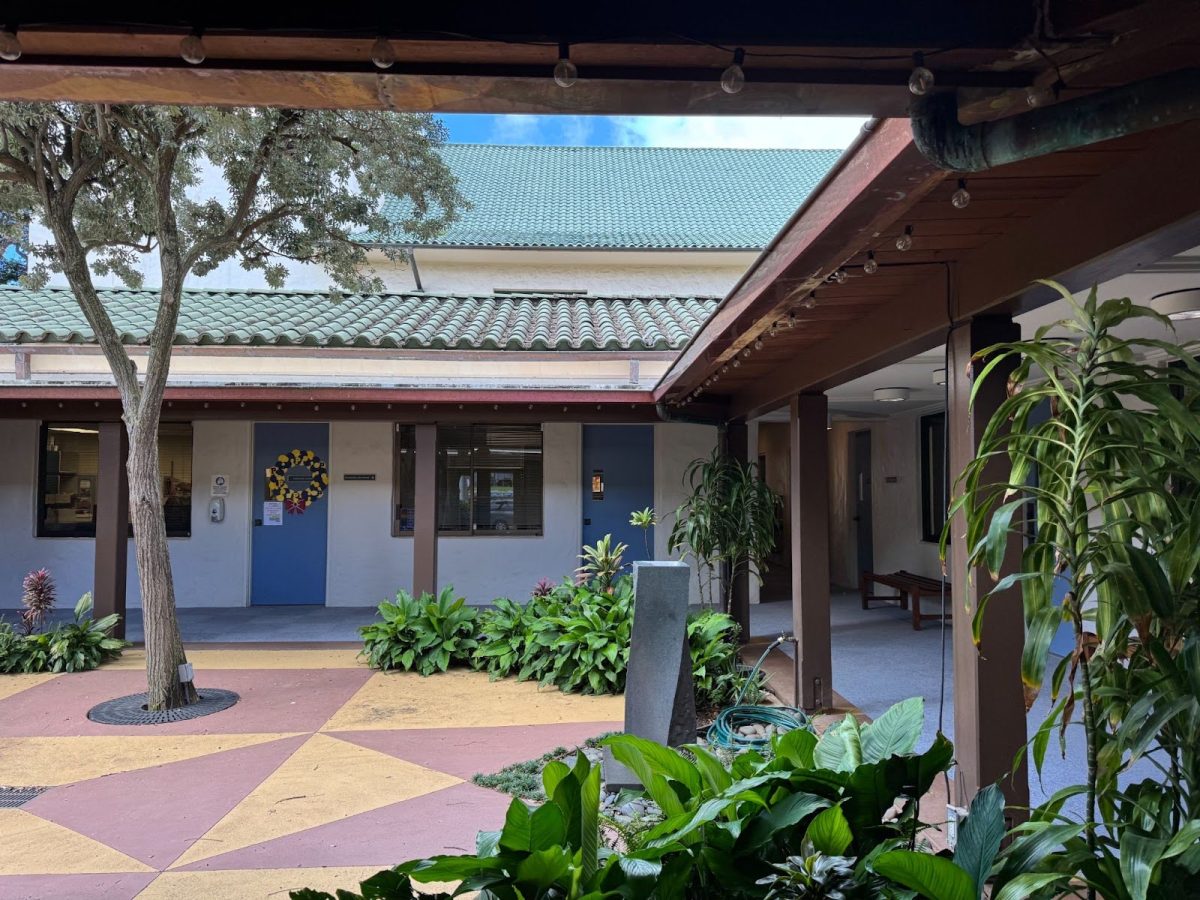
With private school application season around the corner, many families as well as their children are gearing up to go through the Punahou School admissions process.
Punahou School has a somewhat challenging and highly selective admissions process among private schools in the state of Hawaii. Much speculation exists surrounding the application process, but only those who experience it or work behind the scenes know what it’s really like and what the school looks for in its ideal applicants.
According to Rondee Kobayashi, Grades K-5 Associate Director of Admissions and a Punahou alumna from the class of 1990, Punahou uses a holistic and need-blind review system. She explained that the school seeks “academically prepared students from a wide range of interests and backgrounds” who embody “curiosity, character, and potential to thrive” in the school’s rigorous environment, regardless of their ability to pay tuition. She emphasized that the K-12 admissions process is designed to give the school “a comprehensive understanding of each applicant’s achievement and readiness.”
This holistic approach means that the school does not solely rely on test scores or grades. While academic readiness is important for admissions, the school also considers qualities beyond a student’s transcript and test scores. Teacher recommendations, interviews, and student writing samples often play a significant role in building the full picture of each applicant that the school wants to see.
While parents often wonder what goes on behind the scenes, the experience can be just as nerve-wracking for the students themselves. “I was very nervous because I did not know what to expect,” recalls Maya Yoshimura, a current Punahou senior who plans to play collegiate soccer at California Baptist University this fall. Many applicants share the same feelings of uncertainty, as they worry about how their personalities, accomplishments, and interests will be perceived by admissions officers. “Part of me felt like I wouldn’t measure up to other students because of my academics,” she adds, reflecting the pressures that come with applying to a school with strong academic reputations.
Looking forward, the admissions process for schools will continue to evolve. Yoshimura hopes that future students will continue to share their full story, not just their academic strengths: “I hope the process keeps getting better at seeing the whole student, not just the numbers,” she says.
As Punahou continues this holistic approach to admissions, applicants will continue to see a process that celebrates them as individuals, not just as test scores or numbers on a page.